
A credit card’s annual fee is not always something you have to pay. Many cards cancel it if you spend a set amount in a year. This is called a spend-based waiver. Used well, it means a paid card costs you nothing.
Popular cards with a fee waiver in 2026, lowest spend first
| Card | Annual fee | Waived if you spend (a year) |
|---|---|---|
 HDFC Bank UPI RuPay Credit Card | ₹117 a year | ₹25,000 |
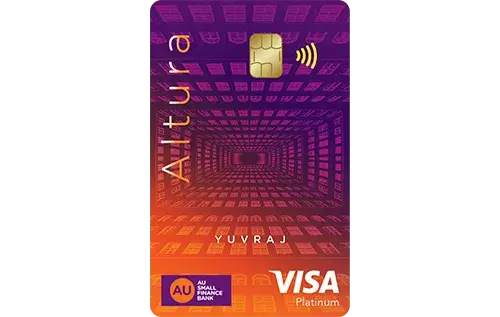 AU Altura Credit Card | ₹235 a year | ₹40,000 |
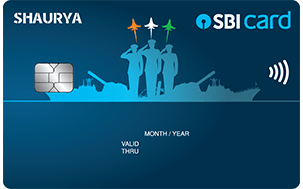 Shaurya SBI Card | ₹295 a year | ₹50,000 |
 HDFC BizFirst Credit Card | ₹590 a year | ₹50,000 |
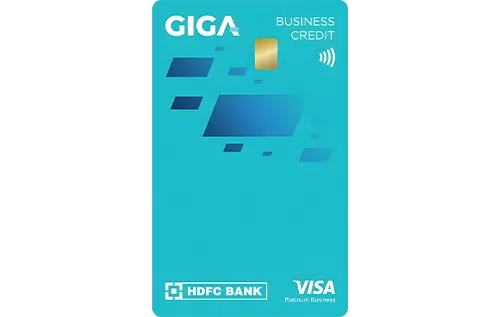 HDFC Giga Business Credit Card | ₹590 a year | ₹50,000 |
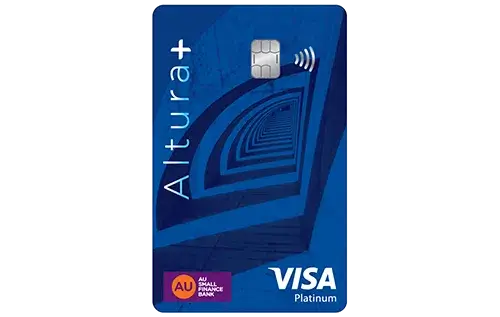 AU Altura Plus Credit Card | ₹589 a year | ₹80,000 |
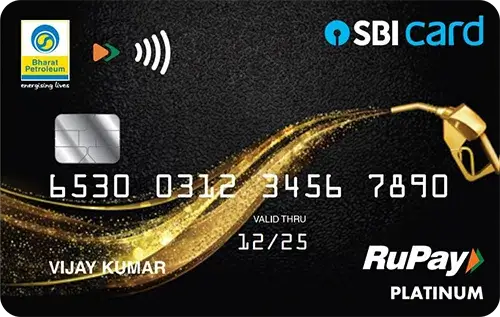 SBI BPCL Credit Card | ₹589 a year | ₹1,00,000 |
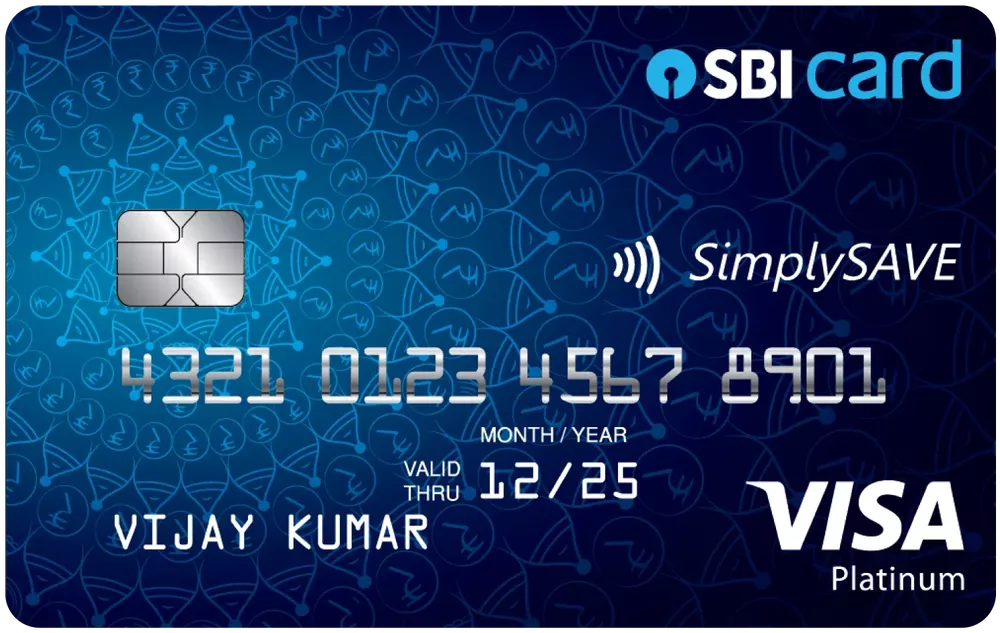 SBI SimplySAVE Credit Card | ₹589 a year | ₹1,00,000 |
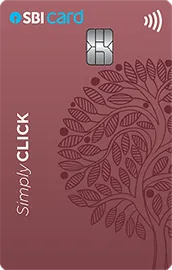 SBI Simply Click Credit Card | ₹589 a year | ₹1,00,000 |
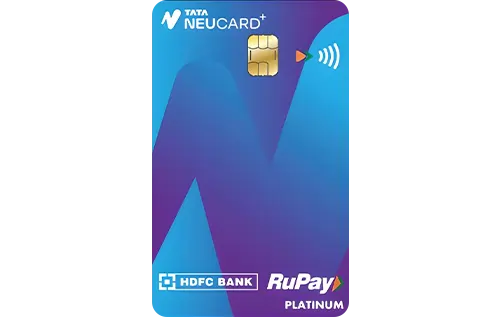 Tata Neu Plus HDFC Bank Credit Card | ₹589 a year | ₹1,00,000 |
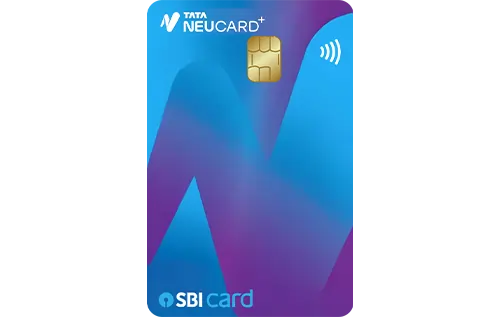 Tata Neu Plus SBI Card | ₹589 a year | ₹1,00,000 |
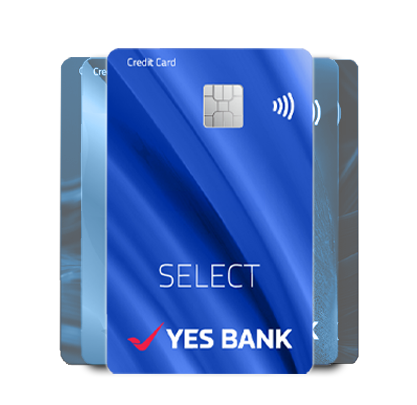 YES Bank Select Credit Card | ₹707 a year | ₹1,00,000 |
As each bank states, October 2026. Spends that do not count toward the waiver (often rent and wallet loads) are on each card’s page.
How a waiver works
The bank sets a yearly spending target. Spend at least that much on the card in your card year (usually counted from the month you got it), and the next annual fee is either not charged or refunded.
Here are the targets on some cards listed on SkyloFin:
| Card | Annual fee | Waived if you spend in a year |
|---|---|---|
| SBI SimplyCLICK | ₹499 + GST | ₹1 lakh |
| YES BANK POP-CLUB | ₹399 + GST | ₹1.5 lakh |
| HSBC Live+ | ₹999 + GST | ₹2 lakh |
| Flipkart Axis Bank | ₹500 + GST | ₹3.5 lakh |
| BOBCARD Etihad Guest Premium | ₹2,499 + GST | ₹5 lakh |
Note the GST: a ₹999 fee is really about ₹1,179 once 18% GST is added, which is one more reason to reach the waiver.
Will you actually reach it?
Divide the target by 12. A ₹2 lakh target means about ₹16,700 a month on this one card. If your monthly card spending is lower, the waiver will not happen, and a lower-fee or lifetime free card is the better choice.
What usually does not count
Banks often leave some spending out of the waiver total. Common ones are rent payments, wallet top-ups, fuel, EMI conversions and cash withdrawals. The exact list is in each card’s terms, and SkyloFin card pages show what earns nothing where the bank publishes it.
Five ways to never pay the fee
- Pick a waiver you will hit naturally with your normal spending, not one that needs extra shopping.
- Put regular bills on the card: electricity, phone, insurance premiums, groceries. Pay the card in full every month.
- Watch the card year, not the calendar year. Your card statement or app usually shows the date the fee is due.
- Missed it? Call the bank. If you use the card well, banks often waive the fee or give a reversal when asked.
- Still charged every year? Ask to switch to a lifetime free card from the same bank. Your credit history stays intact because the account continues.
Frequently asked questions
Is GST refunded when the fee is waived?
If the fee is reversed, the GST charged on it is usually reversed too. Check your next statement.
Does a first-year-free card become free forever?
No. First year free means you pay from the second year, unless you reach the waiver target or the card is lifetime free.
Should I close a card to avoid its fee?
Only if you cannot get the fee waived or the card switched. Closing an old card can lower your credit score a little.
This is general information to help you compare, not financial advice. Fees and features change, so check the bank’s own terms before you apply. Card figures are from SkyloFin’s card pages; card data sourced via CardAdvisor.in.
Updated 18 Oct 2026.